
Buying a car in Kenya is an exciting milestone — but it comes with several legal and administrative requirements you must meet to ensure a smooth and lawful transaction.
Whether you’re purchasing a brand-new vehicle from a dealership or a used car from a private seller, understanding what’s required can help you avoid fraud, delays, and unnecessary expenses.
In this guide, we’ll walk you through all the requirements to buy a car in Kenya , step by step.
🔍 Why Knowing the Requirements Matters
Kenya’s car-buying process involves more than just choosing a vehicle. There are documentary, financial, and legal requirements that both buyers and sellers must follow.
Failing to meet these can lead to:
- Ownership disputes
- Legal penalties
- Difficulty registering the car
- Inability to get insurance
So let’s dive into everything you need to know before buying a car in Kenya.
📋 Full List of Requirements to Buy a Car in Kenya
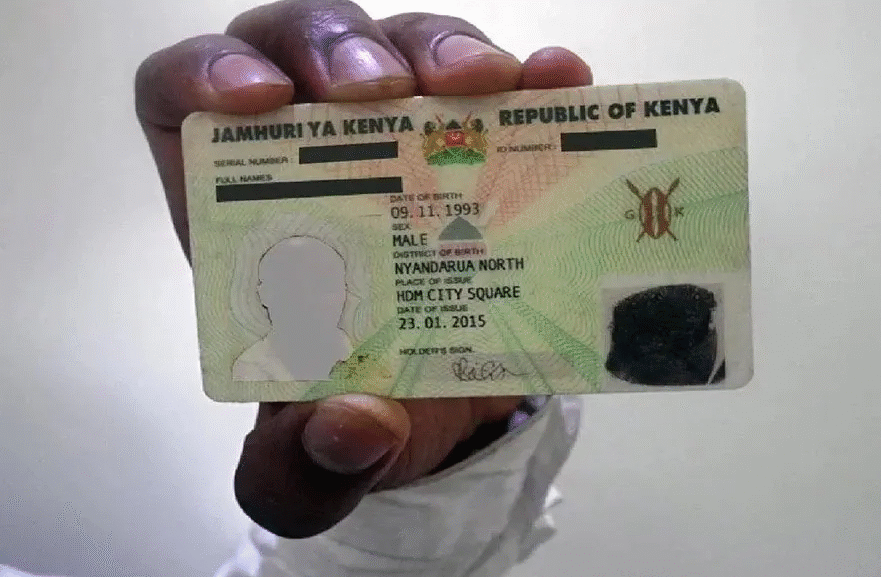
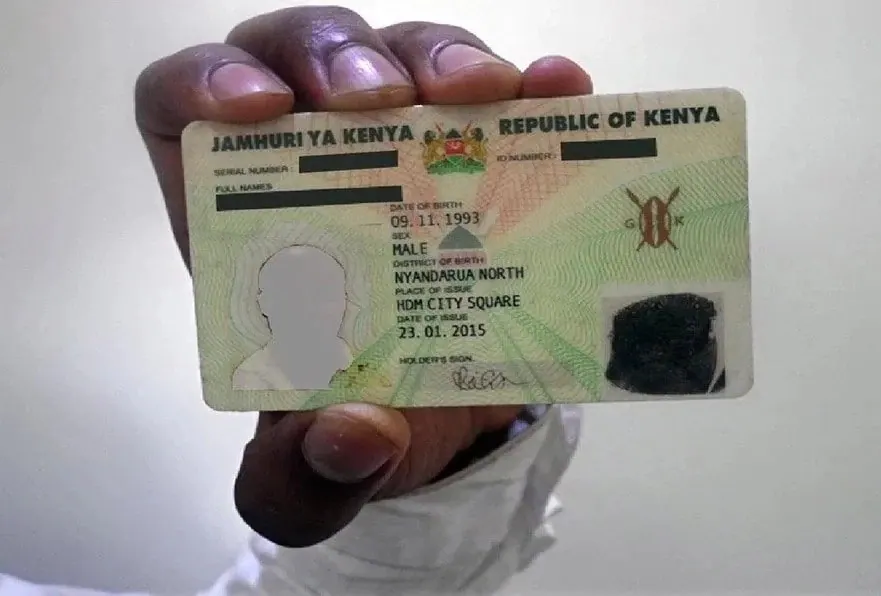
1. Valid Identification
You must present one of the following:
- National ID Card
- Passport (for foreign nationals)
📍 This proves your identity and citizenship during the transaction.
2. KRA PIN Certificate
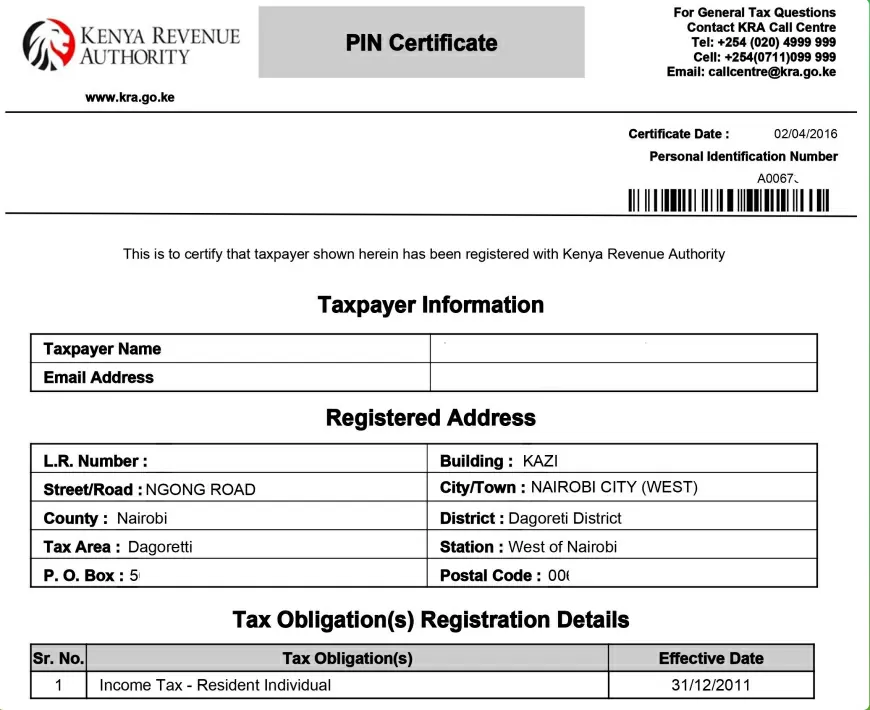
The Kenya Revenue Authority (KRA) requires a PIN certificate for tax verification, especially for imported vehicles.
📍 Needed when transferring ownership and paying excise duty.
3. Driving License
A valid Kenyan driving license is required if you plan to drive the car yourself.
📍 If you’re buying the car for someone else, make sure the registered owner has a valid license.
4. Logbook (Registration Certificate)
This is the most important document in any car transaction.
When buying a used car, always check:
- That the logbook is original (not photocopied or forged)
- That it matches the car (engine number, VIN, model year)
- That there are no outstanding loans or liens
📍 Never buy a car without seeing the original logbook.
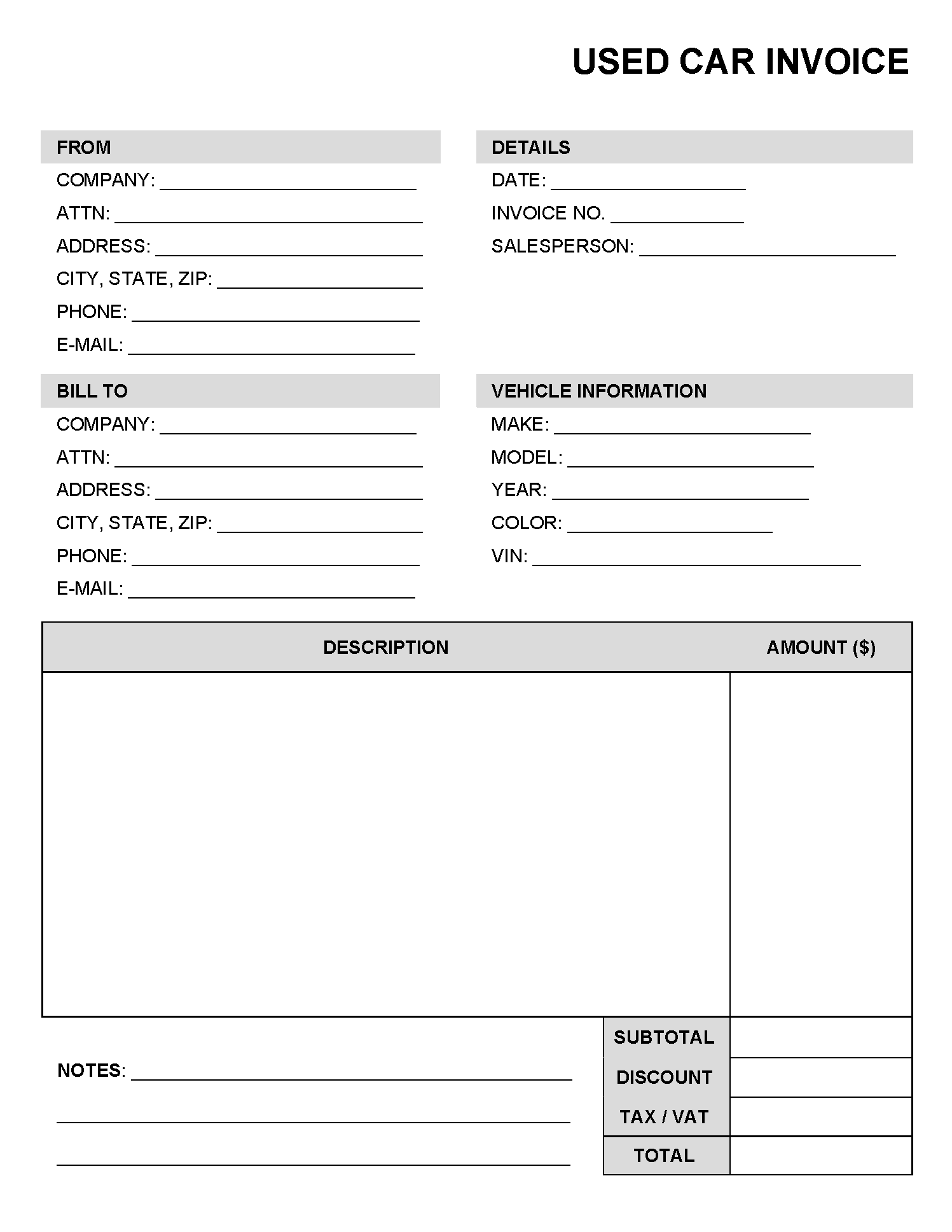
5. Sales Invoice or Agreement
This document confirms the sale and includes:
- Seller’s name and ID
- Buyer’s name and ID
- Vehicle details (make, model, VIN)
- Sale price
- Date of sale
📍 This is essential for ownership transfer and future resale.
6. Proof of Income (If Financing)
If you’re applying for a car loan , lenders typically require:
- Payslips (last 3 months)
- Bank statements (last 6 months)
- Business registration documents (if self-employed)
📍 Maintain a good CRB score to increase your chances of approval.
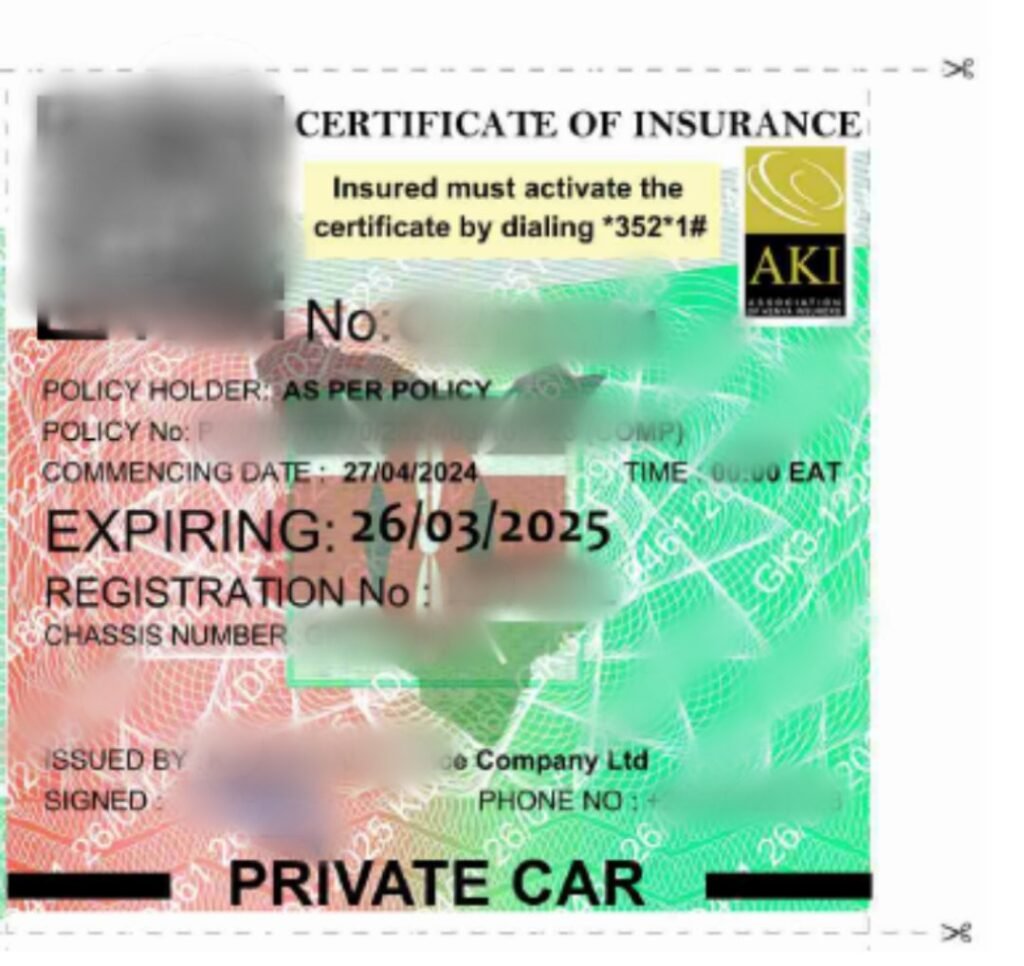
7. Insurance Policy
Car insurance is mandatory in Kenya.
At minimum, you must have:
- Third-party insurance (legally required)
- Or Comprehensive insurance (recommended for better protection)
📍 Always get proof of insurance before driving off with your new car.
8. KRA Clearance Certificate (For Used Imports)
All imported cars must have a KRA clearance certificate , which shows that all duties and taxes have been paid.
📍 Ask for this before finalizing the deal.
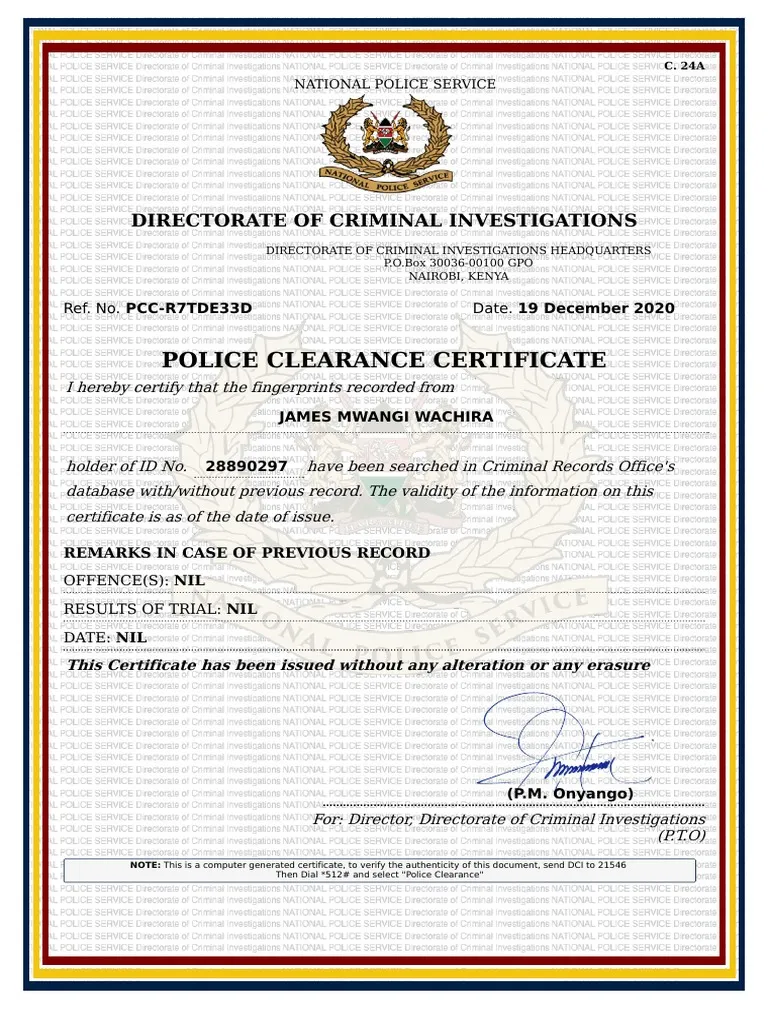
9. Road Worthiness Certificate (Optional but Recommended)
Some counties may require this before licensing the vehicle.
📍 It ensures the car meets road safety standards.
10. Vehicle Inspection Report (Recommended)
Have a certified mechanic inspect the car for:
- Mechanical issues
- Body damage
- Service history
- Odometer tampering
📍 Especially important for used cars.
💡 Pro Tips for a Smooth Purchase
- Check the Logbook First – Never skip this step.
- Use a Lawyer or Agent – For peace of mind during ownership transfer.
- Test Drive the Car – Listen for unusual noises or performance issues.
- Verify the Mileage and History – Especially for used imports.
- Negotiate the Price – Don’t settle for the first offer.
❓ Frequently Asked Questions (FAQs)
1. What documents do I need to buy a used car in Kenya?
You’ll need the original logbook, sales invoice, national ID, driving license, and KRA clearance (for imported cars).
2. Can I buy a car without a logbook in Kenya?
No, the logbook is essential for proving ownership and completing the transfer process.
3. Is third-party insurance enough in Kenya?
Third-party insurance is legally required but only covers damage to others. Comprehensive insurance is recommended for full protection.
4. Do I need a lawyer when buying a car in Kenya?
While not mandatory, hiring a lawyer or licensed agent is highly recommended to ensure a legal and smooth transfer.
5. How long does it take to buy a car in Kenya?
The process can take anywhere from a few hours to a couple of days, depending on negotiations, paperwork, and whether you’re financing.
🧾 Final Thoughts
Knowing the requirements to buy a car in Kenya helps protect you from scams, legal issues, and unnecessary costs. Whether you’re buying new or used, local or imported, always ensure you have all the necessary documents and understand the process before making a purchase.