
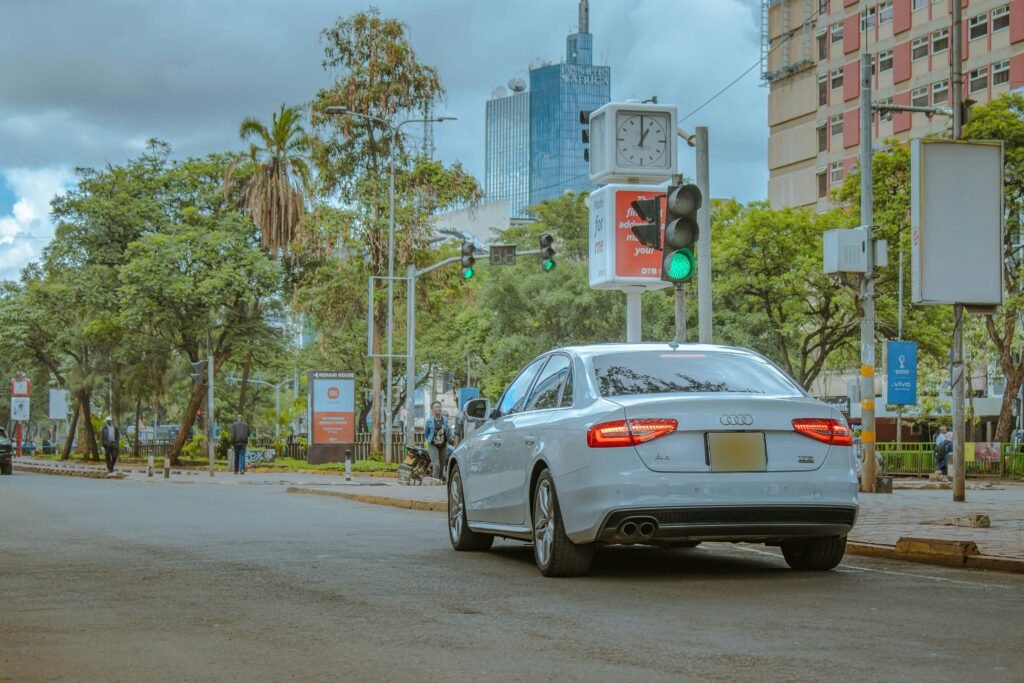
An Uber driver navigating the busy streets of Nairobi.
Whether you’re just starting out as an Uber driver or looking to upgrade your current ride, choosing the best car for Uber in Kenya can make a big difference in your earnings, fuel efficiency, and overall driving experience. In this guide, we’ll walk you through the top vehicles that are popular among Uber drivers in Kenya, based on reliability, maintenance costs, fuel economy, passenger comfort, and resale value.
Why Choosing the Right Car Matters for Uber Drivers in Kenya
Before diving into our list of recommended cars, it’s important to understand why vehicle choice is crucial:
- Fuel Efficiency: With fluctuating fuel prices in Kenya, fuel-efficient cars help reduce operating costs.
- Passenger Comfort: A clean, spacious, and well-maintained car improves rider ratings.
- Low Maintenance: Frequent breakdowns mean less time on the road and more money spent on repairs.
- Resale Value: If you plan to sell after a few years, some cars hold their value better than others.
Top 10 Best Cars for Uber in Kenya
1. Toyota Premio (XV40/XV50)
- Why It’s Great: The Toyota Premio is arguably the most popular car for Uber drivers in Kenya due to its durability, low maintenance, and fuel efficiency.
- Average Fuel Consumption: ~12–14 km/l
- Pros: Spacious interior, high resale value, reliable engine
- Cons: Slightly higher purchase price compared to other sedans
2. Toyota Fielder
- Why It’s Great: Known for its versatility, the Fielder offers more space and a hatchback design, ideal for families or luggage-heavy passengers.
- Average Fuel Consumption: ~11–13 km/l
- Pros: More cargo space, great for airport rides, comfortable
- Cons: Slightly higher fuel consumption than the Premio
3. Subaru Impreza
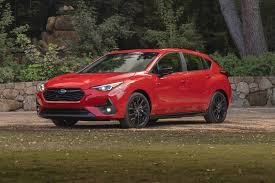
- Why It’s Great: Compact, stylish, and surprisingly fuel-efficient, the Impreza is a favorite among younger drivers and city-based Uber operators.
- Average Fuel Consumption: ~13–15 km/l
- Pros: Sporty look, good fuel economy, affordable
- Cons: Limited trunk space, not ideal for long trips
4. Honda Fit/Jazz
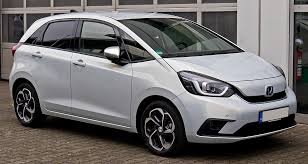
- Why It’s Great: The Honda Fit (known as Jazz in some markets) is compact yet efficient and easy to maneuver in Nairobi’s traffic.
- Average Fuel Consumption: ~14–16 km/l
- Pros: Excellent fuel economy, low maintenance, agile
- Cons: Small boot space, not ideal for large groups
5. Nissan B15 Almera / Nissan Pulsar
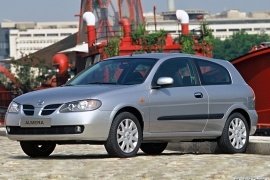
- Why It’s Great: A budget-friendly option with decent performance and style.
- Average Fuel Consumption: ~12–14 km/l
- Pros: Affordable entry price, modern features
- Cons: Less durable compared to Toyota models
6. Mazda Demio
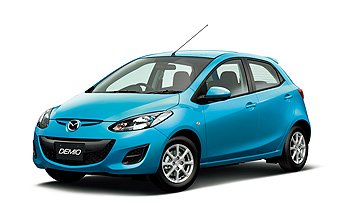
- Why It’s Great: Stylish and fun to drive, the Demio is a great small car for urban Uber operations.
- Average Fuel Consumption: ~13–15 km/l
- Pros: Stylish design, fuel-efficient, smooth handling
- Cons: Limited rear legroom, smaller trunk
7. Hyundai Accent
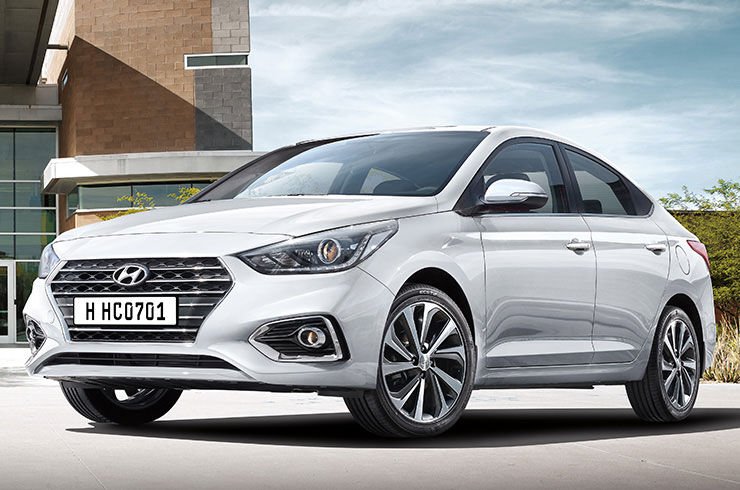
- Why It’s Great: A newer entrant in Kenya’s used car market, the Hyundai Accent offers good value for money.
- Average Fuel Consumption: ~12–14 km/l
- Pros: Budget-friendly, modern tech features
- Cons: Not as widely supported by mechanics as Japanese brands
8. Suzuki Baleno
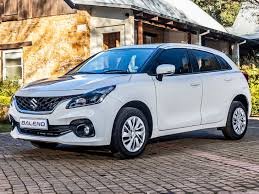
- Why It’s Great: Known for its affordability and fuel efficiency, the Baleno is a solid choice for new drivers.
- Average Fuel Consumption: ~14–16 km/l
- Pros: Low cost, excellent fuel economy
- Cons: Smaller boot, limited availability of spare parts
9. Kia Rio
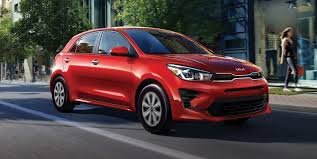
- Why It’s Great: Kia has been gaining popularity in Kenya, and the Rio offers a balance of style and practicality.
- Average Fuel Consumption: ~12–14 km/l
- Pros: Stylish, good warranty options
- Cons: Less common in the Uber fleet, so fewer service references
10. Toyota Corolla (E120/E140)
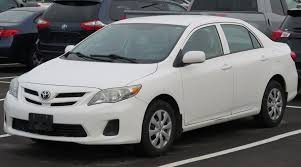
- Why It’s Great: A classic model that remains reliable and widely available in the Kenyan used car market.
- Average Fuel Consumption: ~11–13 km/l
- Pros: Proven reliability, easy to maintain
- Cons: Older models may be less fuel-efficient
Tips for Buying a Car for Uber in Kenya
- Buy from a Reputable Dealer or Seller: Avoid scams and ensure the car has a clean logbook and service history.
- Inspect the Vehicle Thoroughly: Take it for a test drive and have it checked by a mechanic.
- Check Mileage: Look for cars with under 150,000 km for better longevity.
- Negotiate Price: Always compare prices across platforms like Jiji, OLX, and local dealerships.
- Register for Uber: Once you’ve purchased your car, register via the Uber app and complete all documentation.
Conclusion
Choosing the best car for Uber in Kenya depends on your budget, driving needs, and personal preferences. However, Toyota models like the Premio and Fielder remain top choices due to their proven reliability and strong resale values. Whether you’re driving in Nairobi, Mombasa, or Kisumu, having the right car can significantly boost your Uber income and customer satisfaction.