


1. Know What You Need vs. What You Want
Start by listing your must-have features (e.g., fuel efficiency, seating capacity) versus nice-to-have ones (e.g., sunroof, leather seats). This helps narrow down choices quickly.
2. Set a Realistic Budget
Include:
- Purchase price
- Insurance
- Road tax
- Registration & transfer fees
- Maintenance
Use budgeting tools or apps to track and allocate funds easily.

3. Choose Where to Buy
You can buy from:
- Dealerships – For new or certified used cars.
- Online marketplaces – Like Cheki, Jiji, or Prestige Motors.
- Private sellers – Often cheaper but require more due diligence.
Pick the option that offers the most convenience and trust.
4. Inspect and Test Drive
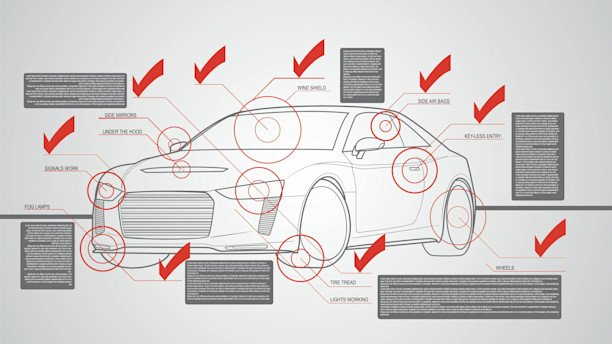
Always inspect the car and take it for a test drive to check:
- Engine performance
- Brakes and tyres
- Steering and suspension
- Interior condition
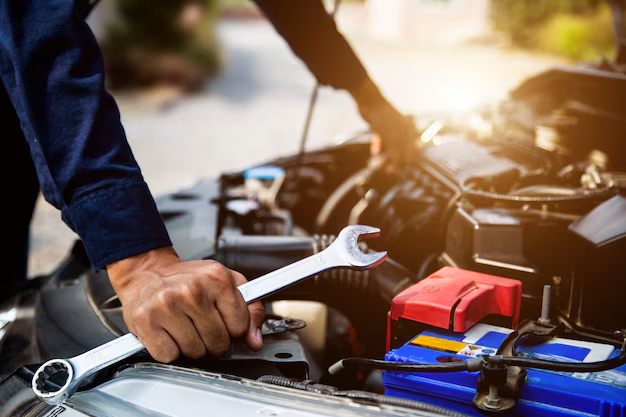
If unsure, hire a mechanic for peace of mind.
5. Complete Paperwork and Transfer
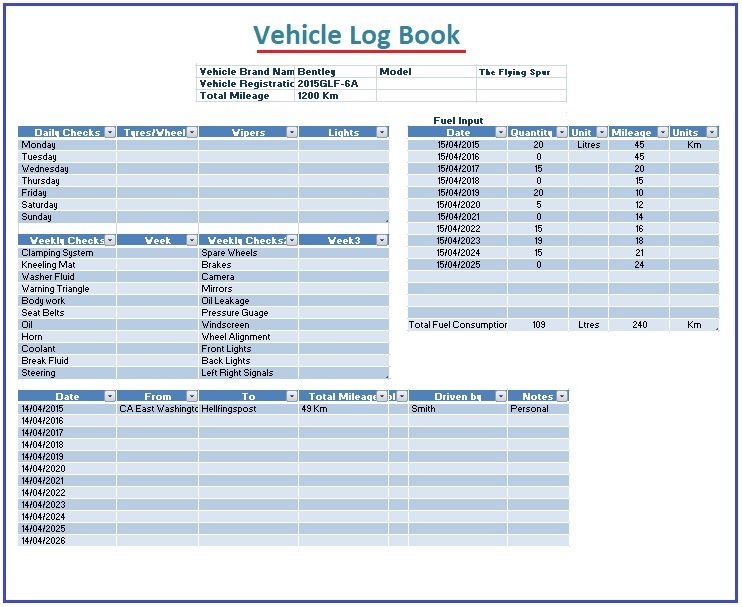
Ensure all documents are present and correct:
- Logbook
- Sales invoice
- Tax clearance
- Insurance certificate
Then visit NTSA or use their online portal to complete the ownership transfer.
Final Tips
- Don’t rush into a deal.
- Always verify ownership and service history.
- Use secure payment methods.
- Keep your budget realistic and flexible.
Conclusion
Buying a car in Kenya doesn’t have to be stressful. With a clear plan, smart budgeting, and careful selection, you can own your dream car with ease and confidence.